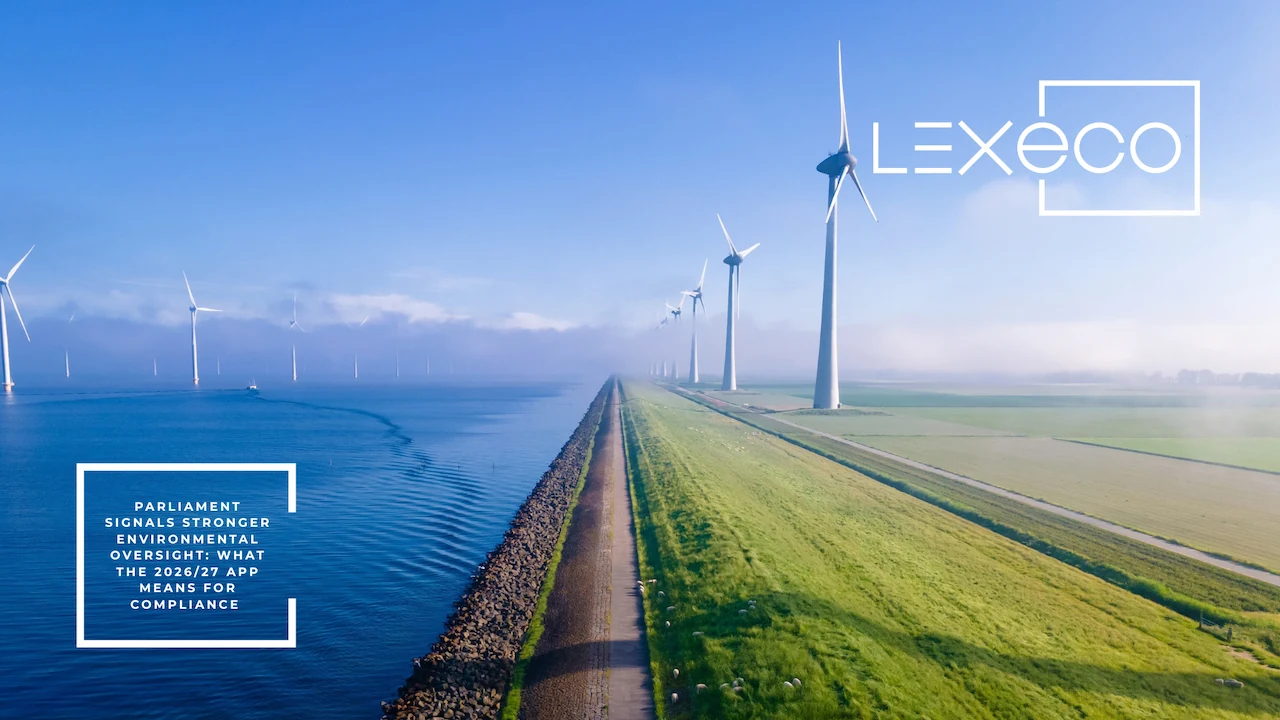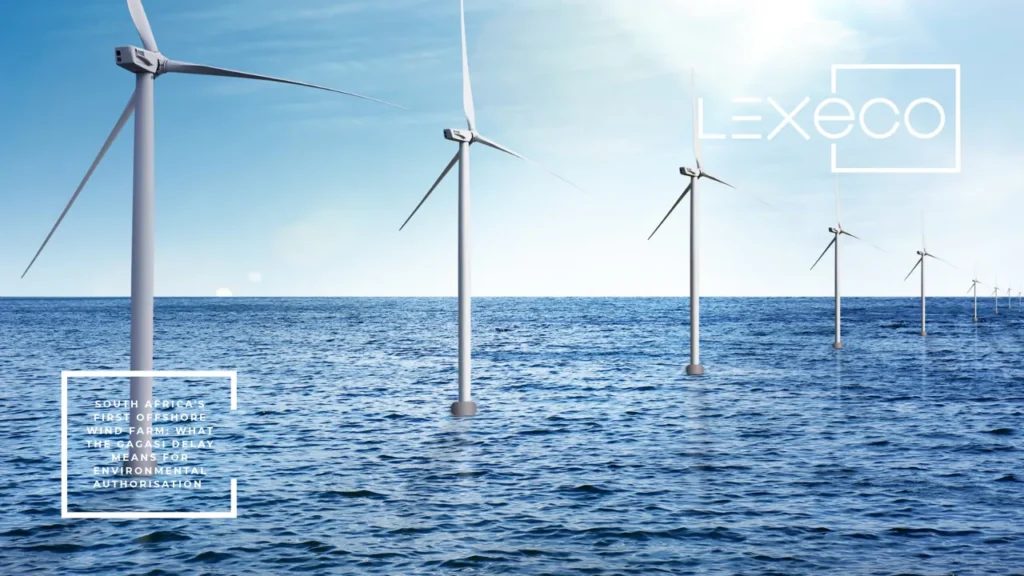
On 17 September 2026, Reuters reported that the environmental impact assessment for South Africa’s first proposed offshore wind farm has stalled, pending new technical information from the developers. The Gagasi project, an approximately 800 MW facility planned offshore of Richards Bay in KwaZulu-Natal, was launched in 2022 by GenesisHexicon, a joint venture between Sweden’s Hexicon and South Africa’s Genesis Eco-Energy Developments. Early announcements placed the site roughly 5 km to 17 km offshore and anticipated a decision within the 300-day statutory timeframe, with a first phase in 2029.
The consultancy appointed to run the assessment, Acer (Africa) Environmental Consultants, said the environmental authorisation application was withdrawn last year so that the project could be redesigned from floating to anchored turbines, “for technical and not environmental reasons“, and that it is unsure of the project’s current status. The delay coincides with a World Bank offshore wind development framework study, released the same week, which estimates South Africa’s potential at approximately 95 GW across selected coastal areas, mainly for floating technology, and projects emissions savings of 530 million tons of CO2 over 25 years.
Why A Withdrawn Application Matters
A withdrawal for technical reasons is not a refusal, and nothing reported suggests the regulator found the site unsuitable. But the change from floating to anchored turbines is not neutral from an environmental perspective, as it alters the way the facility meets the seabed. Anchored foundations typically involve piling or drilling, with different underwater noise, seabed disturbance and sediment impacts to those of mooring and anchor systems. A redesign of that kind is likely to require updated specialist studies and a fresh or materially amended application, and a new decision period would start to run.
It also illustrates a broader point for the sector: a project’s technology choice and its environmental assessment are intertwined, and an assessment commenced on one design cannot be assumed to cover another.
The Authorisation Framework
South Africa has no dedicated offshore wind regulations yet. The Department of Forestry, Fisheries and the Environment has previously indicated, in a parliamentary reply, that marine renewable energy is at an early stage and that specific regulations for offshore wind would still need to be developed, with an Offshore Wind Roadmap under way. In the interim, projects are assessed under existing instruments u2013
- NEMA environmental authorisation: the National Environmental Management Act 107 of 1998 (NEMA) and the EIA Regulations, 2014 require authorisation for listed activities before construction begins, following scoping, specialist studies and public participation, within a 300-day decision timeframe;
- Coastal and marine instruments: the Integrated Coastal Management Act 24 of 2008 regulates activities in the coastal zone, including the seabed and coastal public property, and the Marine Spatial Planning Act 16 of 2018 provides for the planning of ocean uses, so the project’s footprint will need to be reconciled with both;
- Biodiversity and heritage: the National Environmental Management: Biodiversity Act 10 of 2004, the Protected Areas Act 57 of 2003 and, for the cultural and underwater heritage, the National Heritage Resources Act 25 of 1999 may all be engaged; and
- Electricity regulation: a generation licence or registration, and grid connection to Eskom’s network, run as a separate track under the Electricity Regulation Act 4 of 2006.
The absence of offshore-specific rules means that developers, authorities and interested and affected parties are working through novel questions case by case, including the standard for baseline marine surveys, the treatment of cumulative impacts, and the legal basis for rights to the seabed. This increases both timing risk and the risk of legal challenge.
Key Environmental Issues
- Marine fauna: construction and operational noise, vessel traffic and cable routes can affect whales, dolphins, turtles and fish along the KwaZulu-Natal coast, and survey and mitigation protocols need to be agreed before work starts;
- Seabed and coastal processes: foundations, anchors and export cables will disturb benthic habitat and sediment, and the cable landfall will require assessment of dune, estuarine and shoreline impacts;
- Birds and bats: turbine collision and displacement risk to seabirds and migratory species requires pre-construction monitoring; and
- Port and fishing interests: the project sits close to a major commercial port and fishing grounds, so navigation safety, exclusion zones and livelihoods will feature in public participation, and consultation will need to be meaningful, in line with the standard emphasised by the Constitutional Court in the recent Wild Coast decision.
Practical Steps For Developers And Investors
- confirm in writing with the competent authority whether a redesign requires a fresh application or an amendment, and plan the timetable around a new 300-day period;
- commission marine baseline surveys early, and align specialist terms of reference with the final technology choice;
- map every authorisation, including coastal, marine spatial planning, biodiversity, heritage and electricity approvals, and run them in parallel;
- engage fishing, port, conservation and community stakeholders from scoping onward, and keep a defensible participation record; and
- build regulatory uncertainty and withdrawal risk into financing and offtake arrangements.
Conclusion
Offshore wind could play a significant role in South Africa’s energy transition, as the World Bank study suggests, but the Gagasi delay is a reminder that the regulatory path is still being built. Developers who treat environmental assessment as a design input rather than a late-stage hurdle, and who engage early with the full set of coastal and marine authorisations, will be better placed when the framework matures. The figures quoted from the World Bank study and from the developer’s earlier announcements are as reported and should be verified against primary sources before they are relied on.
How LexEco Can Assist
LexEco advises renewable energy developers, lenders and investors on the environmental dimensions of offshore and coastal projects, including:
- structuring environmental authorisation strategies, including amendments, new applications and withdrawals;
- coordinating NEMA, coastal, marine spatial planning, biodiversity and heritage approvals;
- advising on public participation and stakeholder engagement that can withstand legal challenge;
- conducting environmental due diligence for lenders and investors in marine renewable projects; and
- advising on regulatory change as South Africa develops offshore wind rules.
Contact LexEco to discuss your offshore wind and coastal project authorisation position.