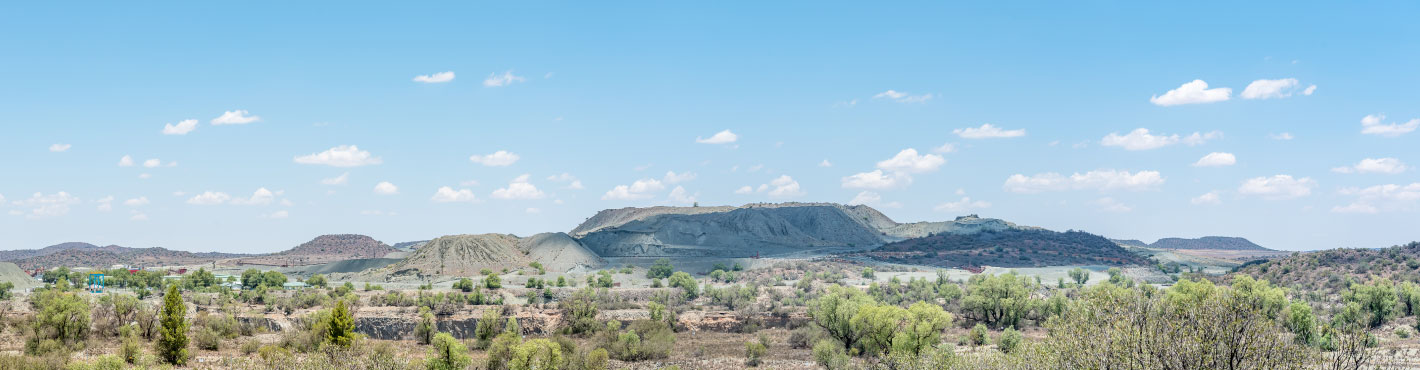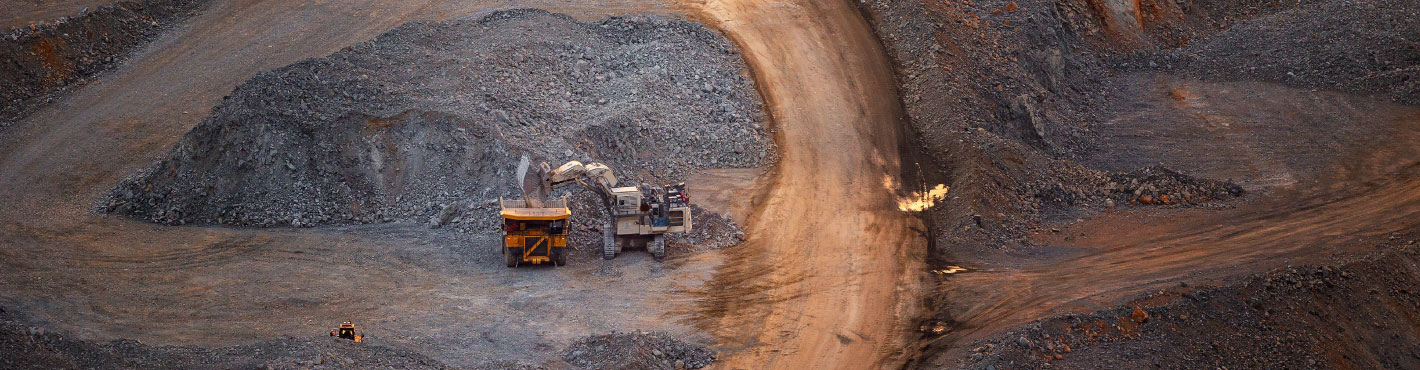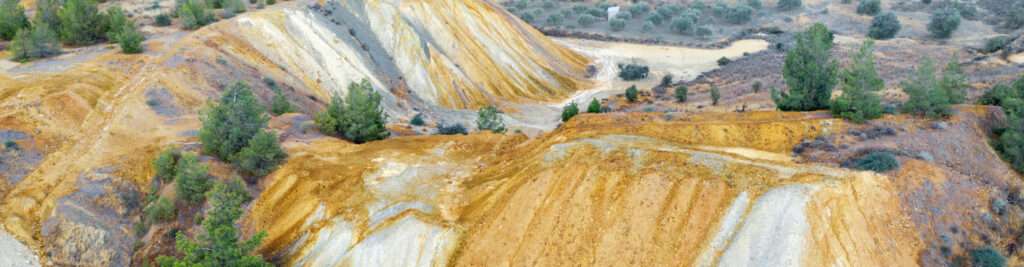
Across South Africa, rehabilitation expectations for tailings are shifting. Regulators and technical specialists now emphasise long-term performance, risk reduction, and evidence-based stability rather than short-term vegetative success. In a NEMA and MPRDA context, operators must increasingly demonstrate that their cover systems, drainage, and landforms support safe land uses and withstand climate and hydrological extremes over decades, even centuries.
What “Good” Looks Like Now
Rehabilitation practice has moved far beyond simple vegetative “green covers.” Best practice blends engineered layers and vegetation (“grey + green”), integrates geotechnical stability, and plans for credible end-land uses such as light industrial development or renewable energy. The goal is to achieve physical stability, minimise seepage, protect water resources, and reduce maintenance burdens — all while meeting compliance expectations in Regulation 34 audits and closure reporting.
Cover Systems: From Concept to Performance
Store-and-release (SR) covers use carefully designed soil layers that store rainwater and release it through evapotranspiration, reducing oxygen ingress, sedimentation and seepage. They are modelled, field-tested, and monitored to demonstrate long-term performance.
Geomorphic landform design reshapes final landforms to behave like natural systems, improving erosion resistance and reducing long-term operational costs.
In chemically or physically challenging residues, such as kimberlitic materials or fine coal tailings, hybrid covers and rock armouring are often required to stabilise surfaces while vegetation establishes. Recent South African closure forums highlight important performance trade-offs in these systems, especially during high-intensity rainfall events.
Monitoring That Actually Drives Decisions
Operators are increasingly adopting:
- UAV flights for rapid inspections, erosion mapping, vegetation health and beachline delineation
- InSAR for wide-area deformation detection
- Moisture and lysimeter data to track SR cover performance
These datasets feed into a trigger–action response plan, where defined thresholds prompt inspections, drainage adjustments, or cover repairs. Documenting this process in the EMPr and closure plan strengthens audit defensibility.
Communities and End-Land Use
Successful rehabilitation includes credible long-term land use planning. Early community engagement, before consolidating or relocating tailings footprints, helps ensure end-land uses deliver economic value and align with municipal planning frameworks.
In urban-proximate footprints, non-residential end uses such as logistics, light industrial, or renewable energy are often more realistic, given dust, radiological, or legacy contamination constraints.
Getting zoning, servitudes, and grid access right is as critical as the engineering.
A Practical EAP Checklist (Field-Tested)
1. Start with the chemistry & water:
ARD potential, sulphates, metals, water balance, seepage pathways. Choose cover systems that match the geochemistry.
2. Design landforms for erosion:
Slopes, berms, armouring, and geomorphic stability. Aim to minimise maintenance.
3. Specify performance monitoring:
Moisture, vegetation, deformation, beachlines. Link thresholds to actions.
4. Set realistic biodiversity goals:
Early species richness is low; focus on soil building and long-term succession.
5. Think end-use early:
Overlay zoning, grid access, servitudes, and O&M costs. Avoid committing to land uses that the chemistry or economics cannot support.
6. Document for audits:
Structure evidence to feed into Regulation 34 audits and closure progress reporting.
How LexEco Can Help
LexEco supports operators with:
- Cover system and landform design inputs
- Rehabilitation and closure planning
- EMPr and closure plan reviews and updates
- UAV/InSAR monitoring workflows
- QA/QC during construction of covers
- Stakeholder engagement and land-use planning
- Legal alignment with NEMA, MPRDA, and Regulation 34 requirements
Our goal is practical, defensible rehabilitation that prioritises long-term environmental and operational resilience. If you’re unsure about your tailings strategy, get in touch with one of our specialists.